AI chatbots have become the backbone of modern customer service, blending advanced natural language processing with real-time problem-solving capabilities. Their adoption is reshaping industries, from e-commerce to healthcare, by automating tasks and enhancing user experience. This article explores their evolution, practical applications, ethical considerations, and future possibilities.

Introduction & Context
In 2016, the concept of conversational AI was primarily experimental, with only a few tech companies exploring its potential. Fast forward to today, chatbots have become an integral part of customer service strategies, embedded across websites, apps, and social media platforms. These AI-driven systems simulate human-like interactions, offering businesses a scalable solution to handle customer inquiries 24/7.
The rise of chatbots can be attributed to advancements in natural language processing (NLP) and machine learning algorithms. Companies like OpenAI, Google, and Microsoft have invested heavily in developing AI models that can interpret, process, and respond to human language with remarkable accuracy. These tools are not just about answering questions—they are about creating meaningful, personalized user experiences.
From small businesses to multinational corporations, chatbots are being deployed to reduce operational costs, improve customer satisfaction, and gather valuable user data. As the technology evolves, ethical questions about data privacy, job displacement, and AI transparency loom large, making it a hot topic for discussion.
Description
AI chatbots are software programs designed to simulate human conversation. They leverage machine learning, NLP, and sometimes even voice recognition to interact with users in real-time. These bots can be categorized into two main types:
- Rule-Based Chatbots: Operate on pre-defined scripts and decision trees. They are limited but effective for straightforward tasks like answering FAQs.
- AI-Powered Chatbots: Use machine learning and NLP to understand context, learn from interactions, and provide nuanced responses.
Core Features:
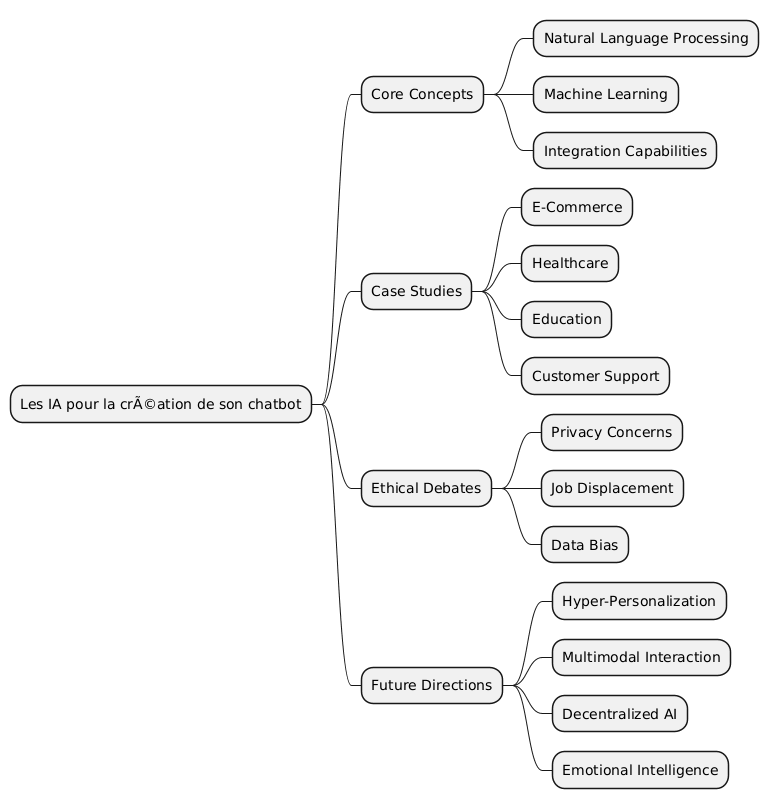
- Natural Language Understanding (NLU): Enables the bot to comprehend user intent beyond keywords.
- Context Retention: Allows the chatbot to maintain conversational flow, essential for multi-step queries.
- Integration Capabilities: Can be embedded into websites, apps, and even integrated with CRM systems.
- Scalability: Handles thousands of simultaneous interactions without compromising quality.
AI chatbots like Answerly go a step further by incorporating business-specific data, such as product manuals or service guides, to deliver hyper-personalized assistance.
Use Cases
1. E-Commerce
Example: A leading retail chain implemented Answerly to assist users in finding products, tracking orders, and troubleshooting issues. The chatbot reduced human support tickets by 40%, saving the company significant operational costs.
2. Healthcare
Example: A hospital network used AI chatbots to manage appointment bookings and answer health-related FAQs during the COVID-19 pandemic. This ensured that their phone lines were free for critical cases.
3. Education
Example: An online learning platform deployed a chatbot to guide students through course selections and provide instant answers to technical issues. This enhanced user engagement and increased course completion rates.
4. Customer Support
Example: A SaaS company integrated Answerly to provide real-time support for troubleshooting software issues. The chatbot’s ability to parse technical jargon and offer step-by-step solutions improved client satisfaction scores by 30%.
How to Use AI Chatbots Like Answerly
Setting up an AI chatbot like Answerly is straightforward yet powerful. Here’s a step-by-step guide:
Step 1: Sign Up and Configure
- Visit Answerly’s website.
- Create an account and log in to the dashboard.
Step 2: Upload Business Data
- Add relevant files like product manuals, FAQs, or customer service guides.
- This ensures the chatbot provides accurate, context-specific answers.
Step 3: Customize the Chatbot
- Choose the chatbot’s tone, language, and visual design (e.g., avatar or text-only).
- Set up fallback options for complex queries that require human intervention.
Step 4: Embed the Chatbot
- Copy the provided integration code and paste it into your website or app’s source code.
- Alternatively, use plugins for platforms like WordPress or Shopify.
Step 5: Monitor and Optimize
- Use analytics to track user interactions, response accuracy, and resolution times.
- Continuously update the chatbot’s database to reflect new products or services.
Ethical Debate
Pros
- Accessibility: Chatbots provide 24/7 support, breaking down time-zone barriers.
- Cost Efficiency: Automating customer service reduces the need for large support teams.
- Data Insights: Interaction logs can offer valuable insights into customer behavior.
Cons
- Privacy Concerns: Chatbots collect vast amounts of data, raising questions about storage and usage.
- Job Displacement: Automation could potentially replace human roles in customer service.
- Bias and Errors: AI systems can unintentionally perpetuate biases present in their training data.
For example, a poorly trained chatbot might misinterpret user intent, leading to frustrating experiences. Balancing these pros and cons requires robust ethical frameworks and transparent AI governance.
Future Directions
The future of AI chatbots is both exciting and uncertain. Here are some potential advancements:
- Hyper-Personalization: Chatbots will leverage AI to analyze user preferences in real-time, offering even more tailored experiences.
- Multimodal Interaction: Combining text, voice, and visual inputs for richer, more dynamic interactions.
- Decentralized AI: Open-source platforms like Hugging Face could democratize chatbot development, reducing dependency on major tech companies.
- Enhanced Emotional Intelligence: Future chatbots may detect and respond to user emotions, making interactions more empathetic.
However, challenges like ethical AI development, regulatory compliance, and ensuring inclusivity will shape how these technologies evolve.
Mind Map
Key Takeaways
💡 Insightful Idea: AI chatbots like Answerly are transforming customer service by automating tasks and enhancing user experiences.
⚠️ Warning: Ethical concerns like data privacy and job displacement must be addressed for responsible AI deployment.
🔍 Key Detail: Real-world examples show significant operational cost savings and improved customer satisfaction.
🚀 Future Opportunity: Emerging technologies like multimodal AI and decentralized platforms will redefine chatbot capabilities.
🌍 Societal Impact: By making services more accessible and efficient, AI chatbots are bridging gaps in global communication.
This article provides a comprehensive overview of AI chatbots, balancing technical depth with practical insights. By understanding their potential and limitations, businesses can harness this technology responsibly to create smarter, more efficient customer interactions.