
Futurpedia is the most comprehensive directory of AI tools, designed to streamline content creation and innovation. By organizing and categorizing hundreds of tools, it offers creators unparalleled access to generative AI technologies. This article delves into its functionality, real-world applications, ethical considerations, and the transformative role it could play in the future of AI.

Introduction & Context
Imagine having a single repository that catalogs every AI tool you could ever need, from text generation to video editing, all at your fingertips. Futurpedia, branded as the “largest directory of AI tools,” is precisely that—a centralized platform that organizes, categorizes, and verifies AI tools across industries.
The rise of generative AI has been explosive. From OpenAI’s ChatGPT to Stability AI’s Stable Diffusion, the tools available today have transformed how we create, communicate, and solve problems. However, navigating this rapidly evolving landscape can feel overwhelming. Futurpedia steps in as a beacon, offering creators, businesses, and technologists a structured gateway to these innovations.
Its relevance extends beyond convenience; Futurpedia represents a shift in how AI technologies are disseminated. By democratizing access and simplifying discovery, it fuels creativity and innovation in unprecedented ways.
Description
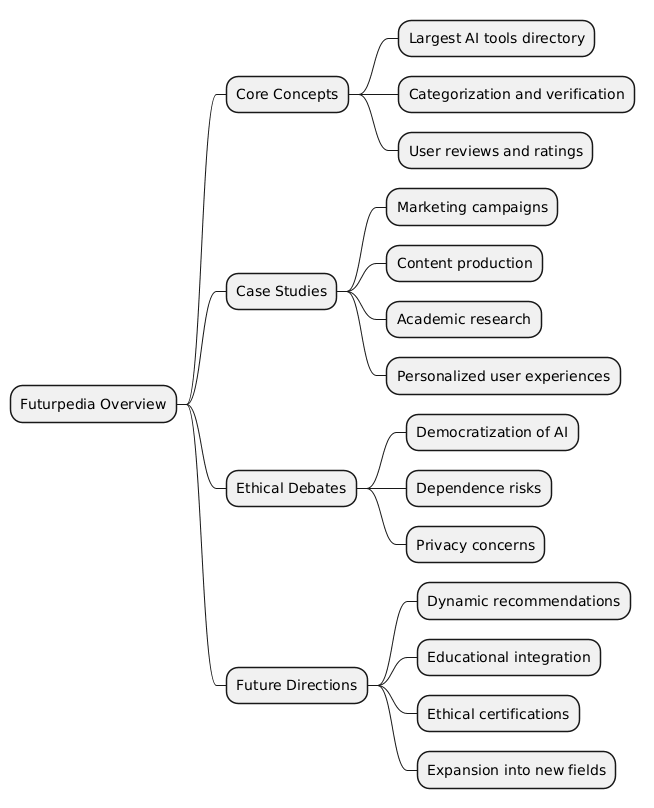
At its core, Futurpedia is an open-access directory featuring hundreds of generative AI tools. It functions like a curated marketplace, where users can explore tools categorized by function—text generation, image creation, video editing, audio synthesis, data analysis, and more. Each listing includes detailed descriptions, use cases, and links to access the tools directly.
Key Features of Futurpedia:
- Categorization: Tools are sorted into intuitive categories, such as “AI for Video,” “AI for Text,” or “AI for Design.”
- Verification: Each tool listed undergoes a vetting process to ensure functionality and reliability.
- User Ratings: Futurpedia incorporates community feedback, allowing users to rate and review tools.
- Search Functionality: Advanced filters help users pinpoint tools based on specific needs—whether free, freemium, or premium models.
- Integration Guidance: For developers, Futurpedia provides API documentation and integration tips for seamless adoption.
This directory isn’t just a catalog; it’s a dynamic ecosystem designed to evolve alongside the AI landscape.
Use Cases
1. Enhancing Marketing Campaigns
Imagine a small business leveraging Futurpedia to discover tools like AdCreative AI for generating high-impact advertisements or OpusClip for creating viral video snippets. These tools, accessible via Futurpedia, enable businesses to compete with larger players by automating creative processes and optimizing outreach strategies.
2. Streamlining Content Production
Creators can use Futurpedia to find tools like Jasper AI for blog writing, Midjourney for visual design, and Synthesia for video avatars. For instance, a content marketer could use Synthesia to generate multilingual video tutorials without hiring actors or translators, saving time and resources.
3. Academic Research
Researchers can explore tools like Hugging Face for open-source language models or ElevenLabs for audio synthesis. Futurpedia simplifies the discovery of cutting-edge technologies that can be integrated into academic projects, furthering innovation in science and education.
4. Personalized User Experiences
Businesses can use Answerly, a chatbot creation tool listed on Futurpedia, to develop AI-powered customer service systems tailored to their brand. This improves user engagement while reducing operational costs.
How To Use Futurpedia
Step-by-Step Guide:
- Access the Platform:
Visit Futurpedia to explore its directory. No account is required to browse the tools. - Search or Browse:
Use the search bar for specific tools or browse categories like “AI for Design” or “AI for Audio.” - Filter Results:
Apply filters based on pricing models (free vs. paid), functionality, or industry relevance. - Read Reviews:
Check user ratings and reviews to gauge the tool’s effectiveness and reliability. - Access Tools:
Click on the tool’s link to visit its official site or download it directly. - Integration Tips:
For developers, Futurpedia provides API documentation and integration guides for seamless adoption.
With its intuitive interface and robust search functionalities, Futurpedia makes navigating the AI landscape effortless.
Ethical Debate
Pros:
- Democratization of AI: Futurpedia lowers barriers to entry, allowing small businesses and independent creators to access cutting-edge tools.
- Transparency: By verifying tools and incorporating user reviews, it builds trust in the AI ecosystem.
- Efficiency: Centralized access saves time, enabling users to focus on creative or strategic efforts.
Cons:
- Dependence on AI: Over-reliance on AI tools could diminish human creativity and critical thinking.
- Bias Concerns: Some tools may inadvertently perpetuate biases present in their training data.
- Privacy Risks: Tools requiring user data could pose security threats if not properly vetted.
Societal Implications:
The widespread use of AI tools, facilitated by platforms like Futurpedia, raises questions about job displacement, intellectual property, and ethical accountability. While Futurpedia itself doesn’t create these challenges, its role in popularizing AI technologies places it at the heart of these debates.
Future Directions
Futurpedia is poised to evolve into more than just a directory. Potential advancements include:
1. Dynamic Tool Recommendations
AI-driven recommendations based on user behavior could personalize the discovery process, suggesting tools tailored to individual needs.
2. Integration with Educational Platforms
Collaboration with universities and training centers could position Futurpedia as a resource for learning and professional development.
3. Ethical AI Certifications
Futurpedia could introduce certifications for tools that meet ethical and privacy standards, fostering trust in the AI ecosystem.
4. Expansion into Emerging Fields
As generative AI expands into areas like healthcare and legal services, Futurpedia could adapt its categories to include these industries.
5. Community-Driven Innovation
By enabling users to contribute new tool listings or suggest improvements, Futurpedia could become a collaborative hub for AI innovation.
Mind Map
Key Takeaways
💡 Insightful Idea: Futurpedia centralizes access to hundreds of AI tools, simplifying discovery and innovation.
⚠️ Warning: Over-reliance on AI tools could impact human creativity and ethical accountability.
🔍 Key Detail: Reviews and verification processes ensure the reliability of tools listed on Futurpedia.
🚀 Future Opportunity: Dynamic recommendations and ethical certifications could redefine Futurpedia’s role in the AI landscape.
🌍 Societal Impact: Futurpedia democratizes access to generative AI, empowering creators worldwide while raising ethical questions.
This article positions Futurpedia as both a transformative resource and a focal point in the ongoing dialogue about AI’s role in society. It captures the essence of the platform while inviting readers to explore its possibilities and implications.